
Roving Reporter is one of my favourite cooperative learning classroom activities. The structure requires no prep and instantly boosts engagement. It transforms almost any classroom project in seconds, and whether you're teaching English, working on a science poster, or a group activity during social studies, this simple cooperative learning structure gets students moving, sharing ideas, and learning from each other with a single shout.
In this guide, I'll explain exactly what Roving Reporter is, why it works so well, and how you can start using this no-prep routine in your own classroom instantly. And I literally mean the second you finish reading. Cooperative learning doesn't get any simpler, faster (and arguably more fun) than this.
What Is Roving Reporter?
Roving Reporter is a cooperative learning structure where one student from each team temporarily leaves their group to visit another team. Their job is to look at other work, ask questions, listen carefully, and essentially collect useful ideas their team can use in their work. They then return to share those ideas with their own teammates.
Unlike traditional group work, where each table often works in isolation, Roving Reporter encourages students to learn from one another. Ideas spread naturally around the room, discussions become richer, and every team benefits from the thinking of others.
One of my favourite things about this structure is that it creates true cross-pollination across of ideas across the whole classroom. Instead of four students relying only on each other, every group gains fresh perspectives from every other team's work.
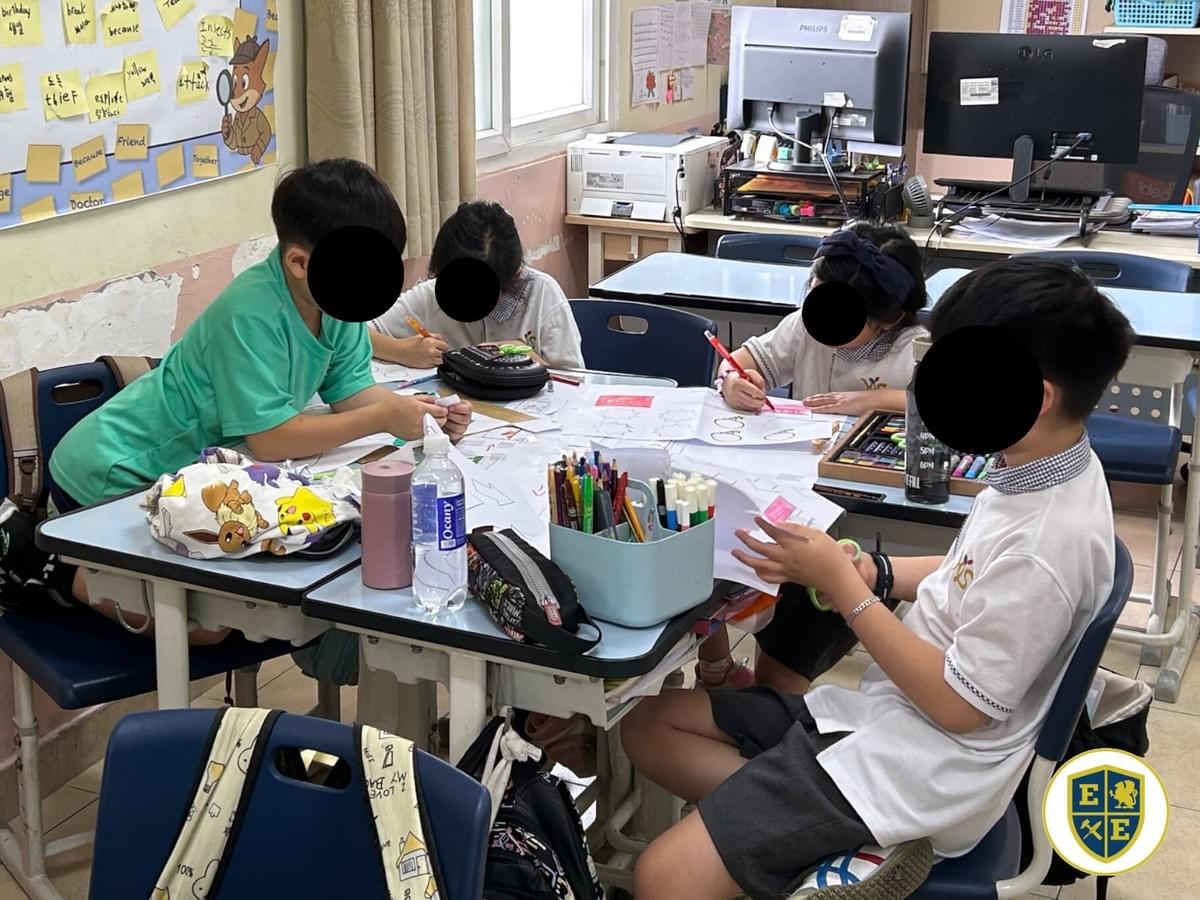
The calm before the storm:
The children are seen here working on their projects in their home teams.
Why I Love Roving Reporter
If I could only keep one cooperative learning structure to use, this would be it. I've used dozens of cooperative learning strategies over the years, and Roving Reporter is the one I get most excited about using. It's greate fun, consistently delivers, and I always squeeze it into a lesson whenever I can. Because Roving Reporter is:
- Fast to explain.
- Requires no preparation.
- Gets students moving with purpose.
- Increases student talk time.
- Improves the quality of projects.
- Encourages active listening.
- Gives projects an instant burst of energy.
And perhaps most importantly of all - the students absolutely love it. Many classroom activities become repetitive after a while. But Roving Reporter doesn't. Children love leaving their tables, visiting other teams, borrowing ideas, and returning to their friends to share them.
From a students perspective, it feels more like a mission than a classroom task. And from a teacher's perspective, it's the easiest ways to breathe life into an activity that is beginning to lose momentum.
Why Roving Reporter Works
Traditional group work is flawed for many reasons. One major problem it suffers from is this: Every team works alone.
While some groups generate fantastic ideas, others struggle. And unfortunately, the struggling groups rarely stumble upon the same solutions as their peers, or benefit from excellent insights and discussions happening elsewhere in the classroom.
Roving Reporter solves this problem beautifully. Instead of knowledge staying at one table, creativity and ideas travel around the room.
Students quickly discover new approaches and different ways of thinking, alternative solutions and apposing viewpoints, fantastic visual approaches and new creative solutions. They then return to their own teams with fresh ideas that improve everyone's learning.
The cooperative learning structure and rapid exchange of ideas is triggered by simple two words, and produces far deeper discussion than leaving groups to work alone.
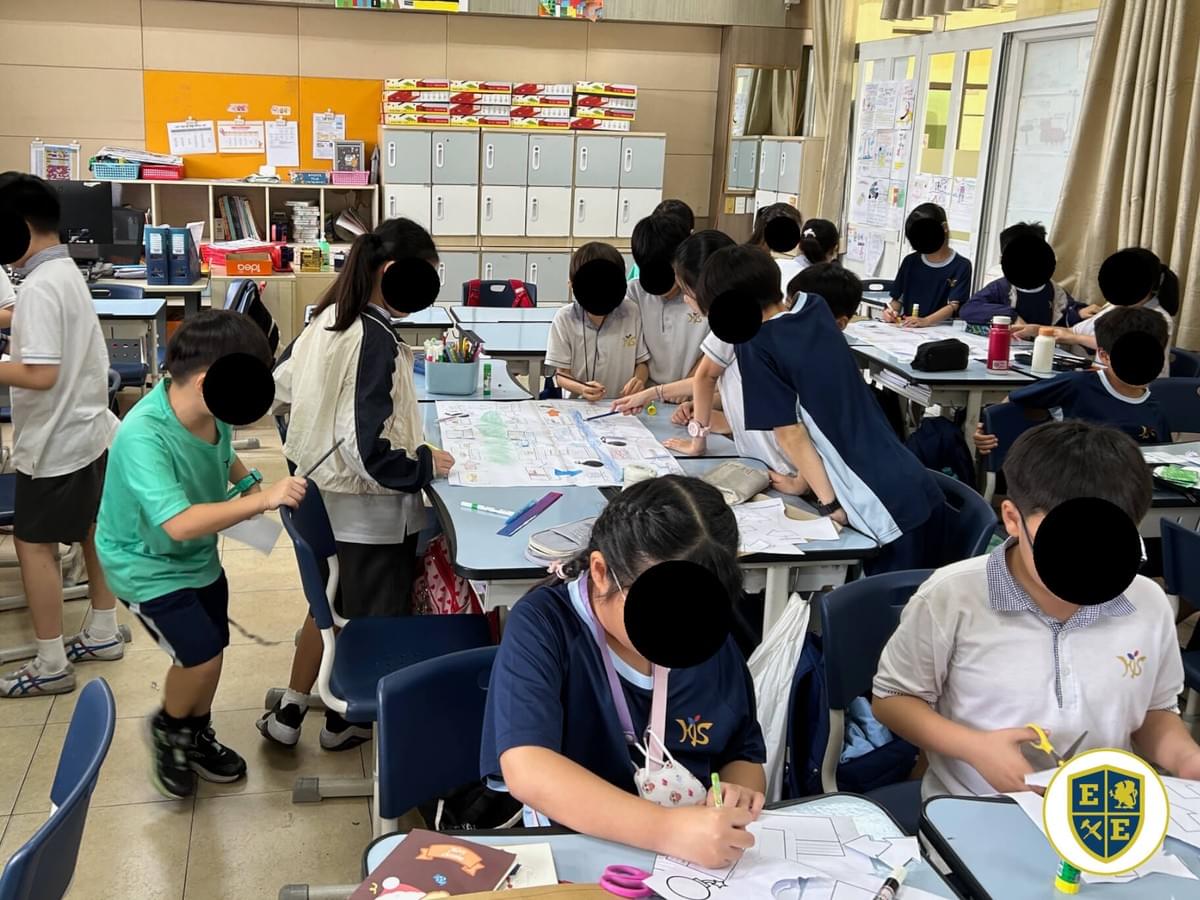
Roving Reporters in action:
The children spring into action as the structure begins
How to Use Roving Reporter
To implement this cooperative learning structure in your class during your next project, all you need to do is follow these simple steps.
Step 1: Create Groups
Arrange students into small cooperative learning teams. Four students per team usually works best.
Step 2: Choose a reporter
Select one student from each group and assigne them the role of Roving Reporter. The reporter should rotate regularly so every student has an opportunity to experience the role.
Step 3: Give teams a task
Give them a writing task, a poster of make, a science investigation or brainstorming activity. Then allow students enough time to begin work and develop some initial ideas.
Step 4: Send the reporters
When your ready (or when the energy in the classroom begind to drop), shout out something like "Roving Reporters... Go! Go! Go!" to trigger the structure.
Each reporter then quickly stands up and shoots of to visit a different team or teams.
Step 5: Listen and collect ideas
The reporter looks at other teams' work. Asks questions. Listens carefully. Their job is not to teach, interrupt or solve a problem. They are just there to collect one or two useful ideas that could help their own team or improve their project, and take them back..
Step 6: Return home
After a short amount of time the teacher end the routine and calls the reporters back. Reporters return to their original group with their new ideas.
Step 7: Share the ideas
Each reporter shares what they saw or explains what they discovered. The team discusses these new ideas deciding whether or not to discard them or use them to improve or extend their own work. The whole process usually takes between three and five minutes.
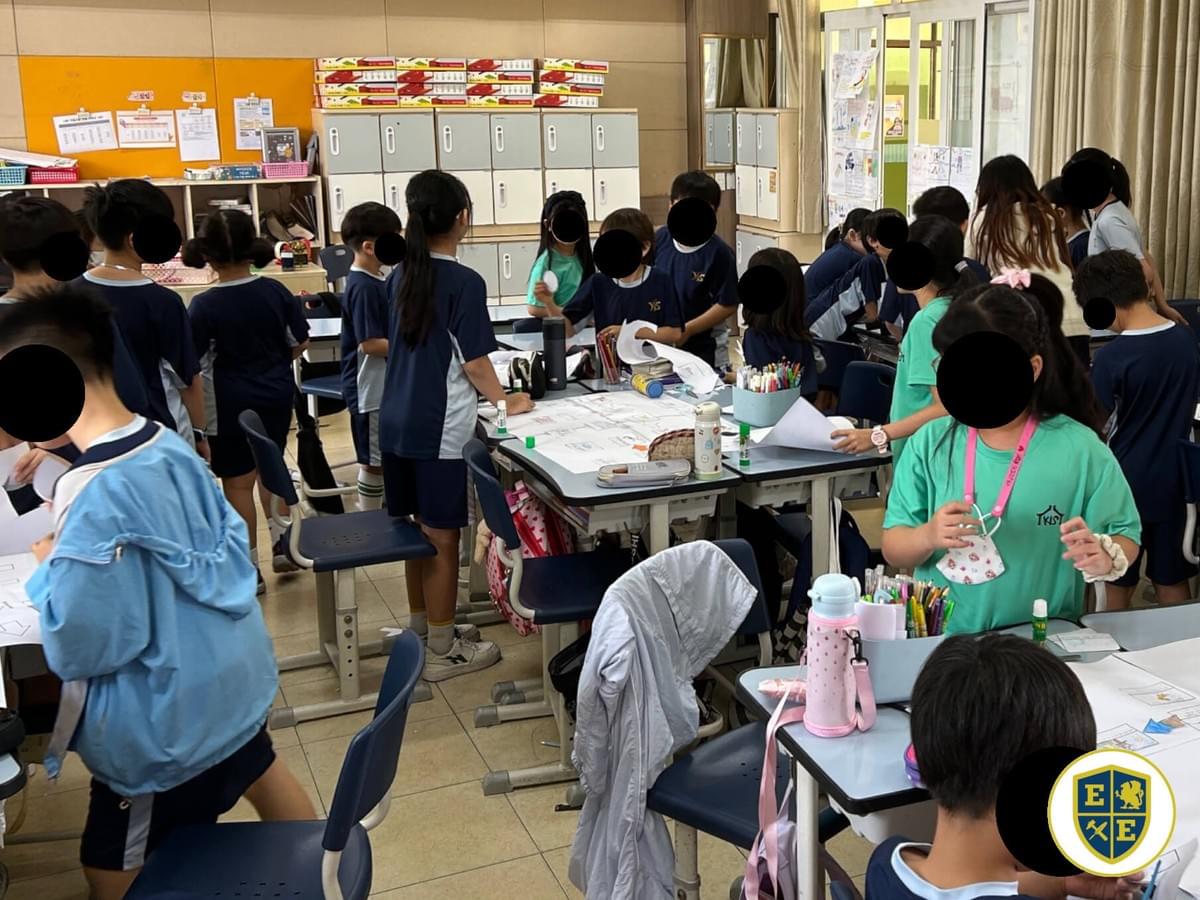
Roving Reporter mid-flow:
Here we see the Roving Reporters visiting other teams' work.
Classroom Examples
One reason I recommend Roving Reporter so often is because it fits almost every subject.
EFL/ESL
Students might be practicing using new keywords or vocabulary to write sentences.
Reporters collect new language frames and example sentences to add to their own.
English
Students brainstorm persuasive arguments before writing.
Reporters collect the strongest ideas from other groups before returning to improve their own writing plan.
Reading
Teams discuss an inference question.
Reporters collect different interpretations before returning to compare answers.
Mathematics
Groups are solving a set of challenging problems.
Reporters check or collect the answers and methods of solving the questions they're stuck on.
Science
Teams are making posters about any given topic.
After Roving Reporter, students add facts or formulas they may have forgotten, or use artistic designs and flourish that they see to their own posters
Social Studies
Groups investigate different causes of an historical event.
Reporters collect additional evidence and viewpoints before the final discussion.
Why Students Love It
Students love Roving Reporter because it's exciting. It's fun and lively, and give the reporter purpose and importance. They also enjoy it because it breaks up longer activities (and it does so without distracting from the learning). When a teacher triggers the Roving Reporter cooperative learning structure the students get to:
- Move around the classroom.
- Speak to different classmates.
- Discover new ideas.
- Share useful information with their team.
- Feel responsible for helping their group succeed.
- Produce better work
The activity creates excitement without becoming chaotic because every student has a clear purpose.
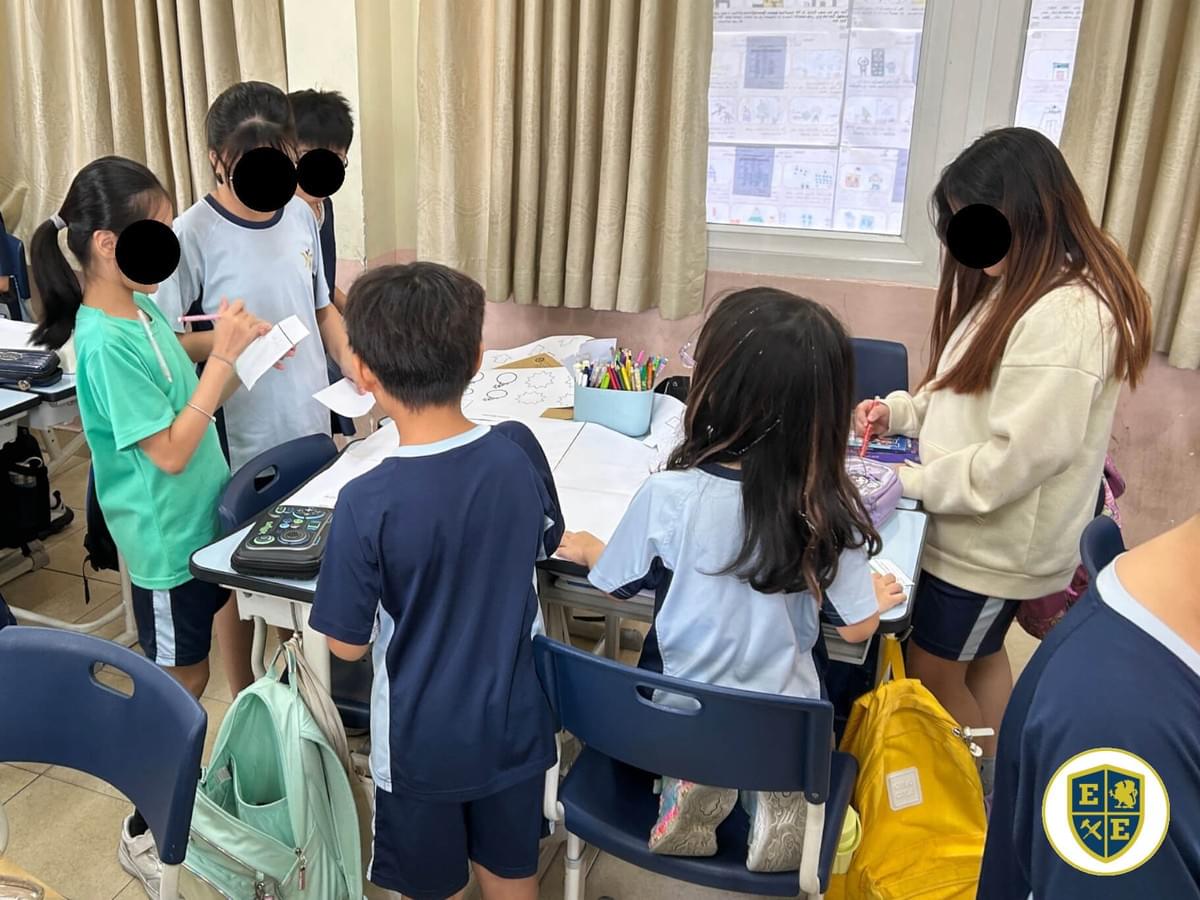
Roving Reporter taking notes:
Notice the girl on the left writing down ideas to take back to her home-team.
Common Mistakes to Avoid
As simple a structure as it is, I've discovered a few pitfalls that should try to be avoided. They are:
1. Sending reporters too soon
Allow teams enough thinking time first. If students leave too soon, there may not be enough for them to take back to their teams that's worth sharing.
2. Letting reporters teach
The reporter's job is to collect ideas. They can question and discuss, but make sure they do not start pointing out flaws in other teams' work or telling other groups how to complete the task.
3. Staying too long
Visits should be brief. Around one minute is usually enough. Quick visits keep the activity energetic and any borrowed ideas easy to take back, communicate to team members, and implement.
4. Skipping the discussion afterwards
The most valuable learning happens when reporters return and explain what they discovered. Always give teams time to discuss the new ideas.
5. Leaving it too late
It's such a simple structure it's easy to forget to do it and sometime leave it too late. Make sure there is not only enough time for reporters to visit teams but to also take back, share, and impliment any new ideas in a meaningful way.
6. Don't change the theme
It's easy to see how roving reporter could be changed and given another name or theme. I've given it a "Spy" or "Secret Agent" theme before. And a collegue of mine took to playing the James Bond theme tune when reporters were sent out. However, this just seems to whip learners up into a frennzy or excitement and can also cause young learners to get protective of their ideas. Which leads me onto my last thing to look out for.
7. Make sure learners share
Young learners can get defensive of their ideas and try to hide their work. Make sure it's clear that they are not allowed to hide their work and must answer any questions openly and as best they can.
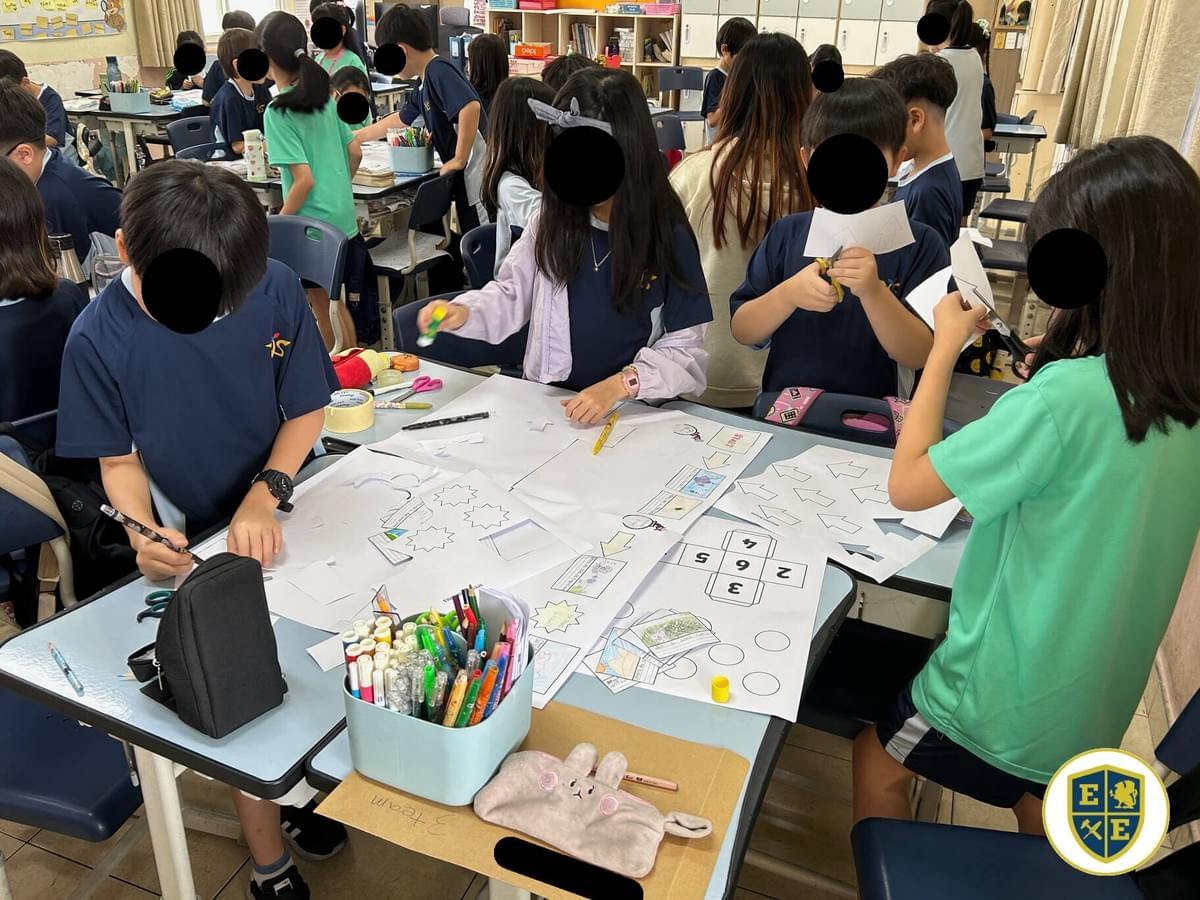
Reporters return:
Back at their home teams, learners implement any good ideas their roving reporters brought back.
My Top Tips
- Rotate the reporter role regularly so everyone gets to participate and play the role.
- Use a visible timer to keep visits short.
- Ask reporters to return with one or two best ideas rather than trying to remember everything.
- Praise thoughtful questioning and listening rather than simply collecting lots of information.
- Encourage teams to build upon the new ideas rather than simply copying them.
- Leave enough time for learners to implement borrowed ideas meaningfully.
- Don't change it and give it a "spying theme". It gets too crazy and learners get protective of work.
Frequently Asked Questions
What age is Roving Reporter suitable for?
I've successfully used it with learners from around seven years old through to adults. The structure remains the same; only the task changes.
How long does it take?
Most rounds take between three and five minutes.
Does it only work in English lessons?
No. I've used it successfully in English, maths, science, social studies, reading, writing and project-based learning.
Is it suitable for ESL and EFL classrooms?
Absolutely. It naturally increases meaningful speaking opportunities while allowing learners to hear language from multiple classmates rather than only the teacher.
Does every student become the reporter?
Not in a single round, but rotating the role throughout the week ensures everyone has the opportunity.
Final Thoughts
There are many excellent cooperative learning structures, but Roving Reporter remains my personal favourite.
It requires almost no preparation, fits almost any lesson, dramatically increases student talk time and creates genuine collaboration between groups.
Most importantly, it helps students learn from one another rather than relying solely on the teacher.
If you've never tried Roving Reporter before, give it a go in your next lesson. I think you'll quickly see why it has become one of my most-used cooperative learning structures.